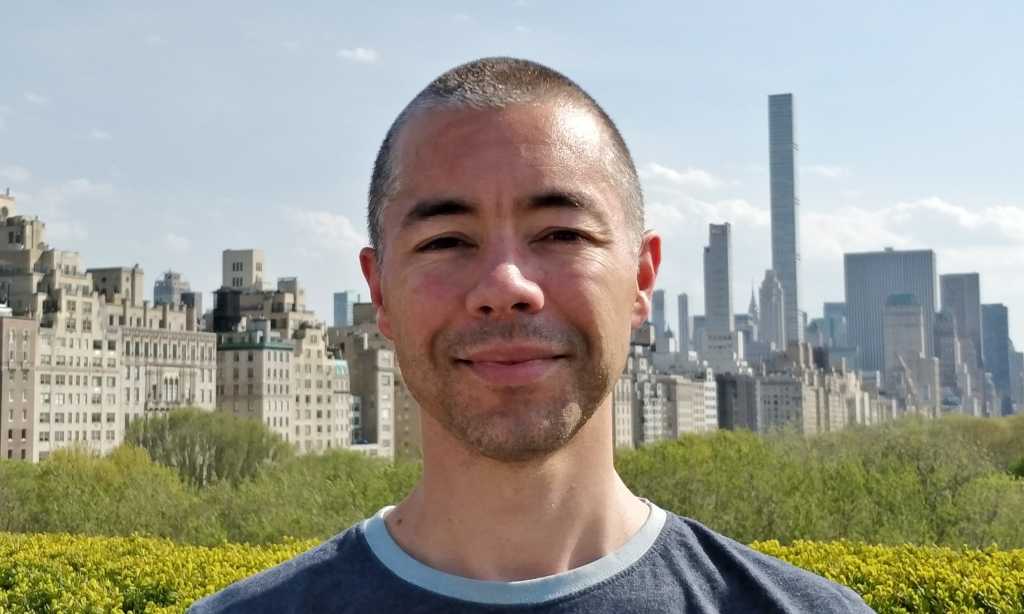
foozilla.net exists because AI was costing me more than it should. Perplexity Computer gave me striking and effective results and real ease of use, at a cost I could not justify. So I set out to get the same outcome for a fraction of the price. I started with Claude Code, then added Hermes Agent on API credits, drawn by spend I control against the limited sessions of a monthly subscription. What began as a cheaper way to reach the same results became the way I work.
TL;DR
One person built this site and the system that produces it. That system turns AI output into content a business can sign and keeps working when a vendor goes dark. This page answers the question the articles leave open: who is behind them, and whether contacting me is worth the move.
Why this site exists
Chatting with an AI and working with one are different jobs, and the gap between them is where this site lives. The off-the-shelf assistant is impressive and draining at once: I spent energy re-explaining context, correcting the same drift, and getting results I could not reuse. I wanted the opposite, consistency and efficiency built day after day, from plain chat to calibrated agent profiles. Each profile carries a role, a defined scope, and its own rules, and daily use of the model becomes far more powerful than the chat it replaces.
The constraints came after, and none of them cost me the result. I added sovereignty, privacy, and resilience without giving up what the system could already do. That claim is what this site tests, one piece at a time.
Who it serves
The site has two readers, and they arrive in the same state. The first is the technical practitioner who has tried many things and wants more: an engineer or a founder already building with AI, who finds the output is not yet dependable enough to run unattended. The second is the decision maker whose company is not getting what it should from AI: a sponsor who has watched the market’s tools underdeliver and its answers ring hollow.
How the site is made
Every piece here is produced by a group of AI agents I call the Content Factory Team, and it works in two modes. The first digs for material: it reads my own documentation and finds what could become a piece. The second writes it: six specialized profiles, each with one role, turn that material into an article, filling the seats a human content team fills. The design is not invented from nothing. It follows the human factories I built and managed earlier in my career. One of them ran inside Simplebo, and its build is where the method was put to work.
One role verifies what the others produce, and keeping a reviewer from grading its own work is a discipline of its own. Underneath both modes sits a living vault, the central documentation I keep, updated daily by Tomoe, the AI documentalist who turns what I build into material the team can mine.
My hand is the last one on every piece. No backlog entry survives without my validation, and a finished article is mine either to integrate or to send back for changes. I publish each piece by hand, on purpose, for security and because this project is only a few months old. The parts of that system are the subject of the stack page.
The person behind it
The work here mixes product and project management, quality control, engineering process, and scrum mastering. I have held the stakeholder seat and the scrum master seat at the same time, and used AI across the three steps of architecture, build, and documentation. Three working profiles sum up how I operate: I am a player-coach who solves the hard problem and builds the capability of the people around me, a translator who turns executive intent into field tasks and field reality back into strategy, and a crisis-proof builder who enters broken situations and stabilizes them. The three run on a lean-operations mindset.
There is no magic in this. My first automation built without Perplexity Computer dates from April 2026, and I count roughly 1300+ hours on my AI projects since then; that is my own count, not a measured figure. I have worked with two to four agents at once over hundreds of hours, and I never forked anyone’s work: each build started from my own need, then the idea, then the build, then the calibration and testing that never end.
The sister site
The professional depth behind these claims sits on my career site: the missions the methods come from, the roles I held, and the record that earned them. Who I am as a professional is where that story is told, and this page will not retell it.
Get in touch
If you are weighing AI for your own operation and the result has to be something you can sign, let’s talk. One conversation is enough to tell whether I can help.